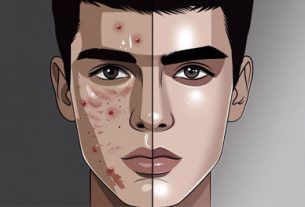
Melanotan II is a synthetic peptide analogue of alpha MSH designed to stimulate melanin production for a darker tan with minimal UV exposure while appearing in aesthetics and looksmaxing discussions.
Definition
Melanotan II is a synthetic peptide analogue of the naturally occurring hormone alpha-melanocyte-stimulating hormone (α-MSH). It is designed to stimulate melanocytes in the skin to produce melanin, the pigment responsible for skin coloration, resulting in a darker, more even tan with reduced ultraviolet (UV) light exposure. In addition to its primary tanning effect, the peptide is known to interact with melanocortin receptors that can influence appetite regulation and, in some cases, sexual arousal.
Overview
Melanotan II was developed in the late 1980s and early 1990s at the University of Arizona during research into sunless tanning agents aimed at reducing skin cancer risk from excessive UV exposure. It serves as a modified version of earlier compounds like Melanotan I (afamelanotide), which later received approval for specific medical conditions involving light sensitivity. While Melanotan II itself remains unlicensed and unapproved for human therapeutic use by regulatory bodies such as the FDA, it has been studied in laboratory and early clinical contexts for its effects on pigmentation, energy balance, and other physiological pathways. In broader aesthetics and skincare discussions, it is referenced as one example of research peptides that mimic natural hormonal signals to alter skin appearance without prolonged sun exposure. Its multi-receptor activity distinguishes it from more selective tanning agents, leading to a range of reported secondary effects observed in research settings.
Key Characteristics
- Melanogenesis Stimulation
- Appetite Modulation
- Additional Receptor Activity
- Peptide Structure
- Duration and Reversibility
Why This Term Is Connected to Looksmaxing
In online communities focused on physical appearance optimization and facial aesthetics, Melanotan II appears in discussions about enhancing overall visual harmony through improved skin tone. Participants sometimes explore how a consistent, golden skin pigmentation can create better contrast with facial features such as the eyes, teeth, and jawline, potentially influencing perceived facial balance in photography and daily observation. These conversations often frame even pigmentation as one factor among many in grooming and skincare routines, alongside posture, muscle tone, and general wellness practices. References to the peptide remain educational and speculative, emphasizing individual variability and the importance of evidence-based approaches rather than promotional claims.
Related Facial Structures
Skin pigmentation interacts closely with underlying facial anatomy, including the distribution of melanin in the epidermis and dermis layers. Melanocytes, located at the base of the epidermis, produce melanin granules that migrate to keratinocytes, affecting light reflection and absorption across the face. This process can influence how light highlights bone structure contours, such as the zygomatic arches or mandibular line, by reducing pallor and providing a more uniform canvas. Eye color contrast with surrounding skin and the brightness of teeth against lip and facial tones are also visually affected by melanin levels. Facial fat distribution and subcutaneous tissue further modulate how pigmentation appears, while aging-related thinning of the skin can alter the visibility of vascular tones beneath the surface.
Factors That Can Influence This Feature
Several biological and environmental elements determine an individual’s response to pigmentation changes. Genetic variations in MC1R receptors and baseline skin phototype (Fitzpatrick scale) strongly influence melanin production capacity and tanning efficiency. Bone structure and facial fat distribution affect how even pigmentation is perceived across contours. Age-related shifts in hormone levels, collagen density, and cell turnover can modify both natural and induced tanning outcomes. Posture and muscle tone in the neck and jaw area indirectly influence light and shadow on pigmented skin. Overall health factors, including nutrition, hydration, and UV exposure history, play roles in skin resilience and melanin distribution. Environmental variables such as seasonal sunlight and skincare habits further contribute to variability.
Approaches People Sometimes Discuss
Online forums occasionally reference research peptides such as Melanotan II in conversations about achieving consistent skin tone with limited sun exposure, framing these as experimental options explored in non-medical contexts. Discussions typically stress the unregulated status of such compounds and the necessity of professional medical evaluation before any consideration. Safer, widely available alternatives frequently mentioned include gradual self-tanning formulations, daily moisturizers with subtle bronzing agents, and broad-spectrum sunscreen routines that support natural pigmentation while protecting against UV damage. Grooming practices like exfoliation, hydration, and consistent skincare regimens are highlighted for maintaining even tone. Posture awareness and lighting optimization in photography are also noted as non-invasive ways to enhance the visual impact of skin appearance. All such topics are presented as general community observations, with strong emphasis on consulting qualified healthcare providers for any substance-related decisions.
Quick Poll: Your Take
Do you prefer safer self-tanning options over sun exposure?
Common Misconceptions
- Approved Cosmetic Product
- Eliminates Need For Sun Protection
- Risk Free Permanent Results
- Uniform Results For Everyone
- Suitable For Weight Management
Tools and Products Sometimes Associated With This Topic
Disclosure: This article may contain affiliate links. As an Amazon Associate I earn from qualifying purchases. Product mentions are informational only and are not medical recommendations.
-
Melanotan II Uncovered – Your Essential Guide to Tanning Enhancement Protocols
An informational e-book exploring the science and protocols surrounding synthetic peptides in research contexts.
View on Amazon -
Beauty by Earth Self Tanner Moisturizing Lotion
A natural-ingredient-based self-tanning lotion commonly discussed as a safer topical alternative for achieving gradual, even skin tone without UV exposure.
View on Amazon -
b.tan Ultra Dark Self Tanner Mousse
A fast-acting foaming self-tanner frequently referenced in aesthetics discussions for providing a controllable, streak-free bronzed appearance on face and body.
View on Amazon -
Jergens Natural Glow Self Tanner Body Lotion
A daily moisturizer with built-in gradual tanning agents, often recommended in grooming communities for maintaining subtle, natural-looking pigmentation over time.
View on Amazon -
Reconstitution Solution (Bacteriostatic Water) for Research Use
Sterile vials of bacteriostatic water sometimes associated with laboratory peptide handling in scientific contexts.
View on Amazon
Safety and Professional Considerations
Melanotan II and similar research peptides are not approved for cosmetic, tanning, or any human therapeutic use. Any consideration of such substances requires thorough evaluation by a qualified healthcare professional, including assessment of individual health status and potential risks. Anatomy and responses to pigmentation agents vary widely among individuals, and no outcomes can be guaranteed. Reported side effects in research literature include nausea, flushing, and other physiological responses. This article is provided strictly for informational and educational purposes and must not be interpreted as medical advice, endorsement, or encouragement of any specific protocol.
Summary
Melanotan II represents a synthetic peptide studied primarily for its ability to promote melanin production and skin pigmentation in laboratory settings. While it has garnered interest in aesthetics discussions for its potential to support even skin tone with minimal UV reliance, it remains an unlicensed research compound with documented side effects and no regulatory approval for personal use. Safer, accessible options such as topical self-tanners and evidence-based skincare practices continue to serve as standard recommendations for those seeking to optimize skin appearance. Responsible decision-making always begins with professional medical guidance and prioritization of long-term skin health.