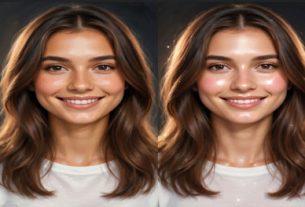
Isotretinoin is a synthetic derivative of vitamin A, first approved by the FDA in 1982 for the treatment of severe acne vulgaris.
Definition
Isotretinoin, commonly referred to by its former brand name Accutane, is a powerful oral retinoid medication prescribed exclusively for severe, nodular acne that has not responded to other treatments. It works by dramatically reducing the size and activity of sebaceous (oil-producing) glands in the skin, leading to lower sebum production and often resulting in clearer skin for many individuals. As a prescription-only drug, it requires strict medical supervision due to its potency and potential side effects.
Overview
Isotretinoin is a synthetic derivative of vitamin A, first approved by the FDA in 1982 for the treatment of severe acne vulgaris. It represents one of the most effective options in dermatology for cases involving deep, cystic lesions that can cause scarring and significant discomfort. In general medical contexts, it is used when topical therapies, oral antibiotics, or other systemic treatments prove insufficient. Within online discussions focused on facial aesthetics and skin health, the term sometimes arises in conversations about achieving smoother, less oily skin texture as part of comprehensive personal care routines. Its mechanism involves normalizing keratinization within hair follicles, reducing inflammation, and providing long-term remission in a substantial portion of users, though individual responses vary widely based on medical guidance.
Key Characteristics
- Sebaceous Gland Reduction
- Anti-Inflammatory Action
- Long-Term Remission Potential
- Systemic Effects
Why This Term Is Connected to Aesthetic Maximization
In communities dedicated to facial aesthetics and self-improvement, isotretinoin is occasionally referenced when discussing strategies for overcoming persistent acne that can affect skin texture and confidence. Participants in these forums often note that resolving severe acne creates a smoother, more even foundation, allowing other grooming and skincare practices to appear more effective. The focus remains on medical appropriateness rather than casual use, with emphasis placed on professional dermatological evaluation before considering any treatment path.
Related Facial Structures
The primary structures involved are the sebaceous glands, which are attached to hair follicles throughout the face and produce sebum to lubricate the skin. In acne-prone individuals, these glands can become overactive, contributing to clogged pores and inflammation. Isotretinoin’s action directly influences gland size and output, which in turn affects pore visibility, skin shine, and overall surface smoothness. Adjacent elements such as the dermis and epidermis also benefit indirectly through reduced follicular hyperkeratinization, supporting a more refined skin appearance when acne is controlled.
Factors That Can Influence This Feature
Genetics play a central role in determining both acne severity and how sebaceous glands respond to treatment. Hormonal fluctuations, particularly during adolescence or due to underlying conditions, can exacerbate oil production and influence outcomes. Age is relevant, as acne often peaks in teenage years but may persist into adulthood. General health factors, including diet, stress levels, and skin barrier integrity, can affect tolerance and results. While bone structure, fat distribution, posture, and muscle tone do not directly alter gland function, overall facial harmony can be perceived differently once skin clarity improves through medically supervised care.
Approaches People Sometimes Discuss
Discussions in dermatology resources and patient forums frequently highlight that isotretinoin is considered only after consultation with a qualified healthcare provider for qualifying cases of severe acne. Supportive measures often mentioned include adopting a simplified skincare regimen to address common dryness, such as using gentle, non-foaming cleansers and rich, fragrance-free moisturizers. Sun protection is emphasized due to increased photosensitivity. These conversations stress the importance of regular blood work, pregnancy prevention protocols where applicable, and adherence to prescribed dosing under professional oversight. No self-administration or off-label cosmetic applications are recommended or endorsed.
Quick Poll: Your Take
Would you consider isotretinoin under medical supervision for severe acne?
Common Misconceptions
- Quick or Universal Solution
- Permanently Oil-Free Skin
- Side Effects Concerns
- Cosmetic Enhancement Product
Tools and Products Sometimes Associated With This Topic
Disclosure: This article may contain affiliate links. As an Amazon Associate I earn from qualifying purchases. Product mentions are informational only and are not medical recommendations.
-
CeraVe Moisturizing Cream
A ceramide-enriched, non-comedogenic formula commonly discussed for helping maintain skin hydration during periods of reduced natural oil production.
View on Amazon -
Aquaphor Healing Ointment
A petrolatum-based protectant often referenced in conversations about soothing extremely dry or chapped areas that may occur alongside treatment.
View on Amazon -
La Roche-Posay Anthelios Sunscreen SPF 40
A lightweight, broad-spectrum mineral sunscreen frequently noted for daily use due to heightened sun sensitivity associated with the medication.
View on Amazon -
Cetaphil Gentle Skin Cleanser
A mild, non-foaming cleanser widely mentioned for maintaining skin barrier integrity without stripping during drier phases.
View on Amazon
Safety and Professional Considerations
Isotretinoin is a prescription medication and may only be obtained and used under the direct supervision of a licensed healthcare professional. It carries important requirements, including participation in risk management programs such as iPLEDGE in the United States, due to its known potential effects. Cosmetic or aesthetic use is not approved; it is indicated solely for specific medical conditions like severe acne. Anatomy and responses vary widely among individuals, and outcomes cannot be guaranteed. Regular monitoring is essential. This article is for informational purposes only and should not be interpreted as medical advice. Consult a qualified dermatologist or physician before considering any treatment.
Summary
Isotretinoin remains a significant prescription option in dermatology for managing severe acne through targeted reduction of sebaceous gland activity. When used appropriately under medical guidance, it can contribute to clearer skin texture for many. Supportive skincare practices and professional oversight are key components of any related discussions, underscoring the importance of individualized evaluation rather than self-directed approaches.