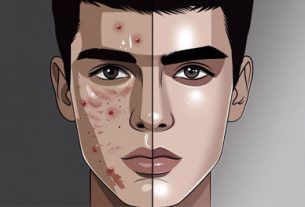
RU58841 also referred to as PSK-3841 or HMR-3841 was developed in the 1990s during pharmaceutical research into treatments for conditions influenced by androgens including androgenetic alopecia and acne.
Definition
RU58841 is a non-steroidal anti-androgen compound formulated as a topical solution or gel that is applied directly to the scalp. It functions by binding to androgen receptors in hair follicles, thereby preventing dihydrotestosterone (DHT) from attaching and contributing to follicle miniaturization in androgenetic alopecia. Unlike oral anti-androgens such as finasteride or dutasteride, it is designed to act locally, with the intention of limiting systemic absorption and associated hormonal effects throughout the body.
Overview
RU58841, also referred to as PSK-3841 or HMR-3841, was developed in the 1990s during pharmaceutical research into treatments for conditions influenced by androgens, including androgenetic alopecia and acne. The compound belongs to the class of non-steroidal anti-androgens and was investigated for its potential to deliver targeted effects when applied topically rather than taken orally. Preclinical studies, such as experiments involving human scalp grafts on animal models, indicated that it could support hair growth parameters like linear hair growth rate and follicle cycling in testosterone-conditioned environments.
Although early research suggested promise for localized use, RU58841 has not received regulatory approval from agencies such as the FDA for the treatment of hair loss. It remains classified primarily as a research chemical. In discussions within aesthetics and hair care communities, it is sometimes referenced as an exploratory option for individuals interested in scalp-specific DHT management, particularly those seeking alternatives to systemic therapies. Its use is framed within broader conversations about maintaining hair density through non-invasive topical approaches, though comprehensive long-term human data are limited.
Key Characteristics
- Androgen Receptor Antagonist Mechanism
- Topical Delivery
- Localized Action Profile
- Research Compound Status
Why This Term Is Connected to Aesthetic Maximization
Within online communities focused on facial aesthetics, grooming, and hair preservation, RU58841 appears in conversations about proactive strategies to address androgenetic alopecia, particularly at the hairline and crown. These discussions often emphasize the desire to preserve youthful facial framing provided by a full head of hair without introducing potential systemic changes that might affect other aspects of physiology. Participants sometimes explore it as part of layered approaches to appearance optimization, noting its theoretical advantage of scalp specificity. Such references remain informal and community-driven, highlighting individual experiences rather than clinical recommendations.
Related Facial Structures
The primary structures involved are the hair follicles located on the scalp, especially in androgen-sensitive regions such as the frontal hairline, temples, and vertex. Each follicle contains a dermal papilla and surrounding cells rich in androgen receptors. When DHT binds to these receptors, it can trigger a cascade leading to progressive follicle miniaturization, reduced hair shaft diameter, and eventual thinning. RU58841’s described action targets these receptors locally. Adjacent structures, including sebaceous glands and the arrector pili muscles, share the same androgen-responsive environment, though the compound’s primary focus in discussions remains follicular health rather than broader skin changes.
Factors That Can Influence This Feature
Several variables affect how hair follicles respond to DHT and, by extension, how topical interventions are discussed:
- Genetics
- Age-related hormonal shifts
- Fat distribution and scalp skin thickness
- Overall health
- Posture and muscle tone around the neck and shoulders
- Consistency of application
Approaches People Sometimes Discuss
In various online forums and aesthetics communities, participants occasionally describe preparing or using topical solutions containing RU58841, often at concentrations around 5% applied once or twice daily with a dropper. Some conversations reference combining it with other established topicals such as minoxidil for complementary effects on circulation and follicle stimulation. Discussions may cover proper dilution, application to clean scalp areas, and monitoring for local skin responses. These exchanges stress experimentation within research contexts and the importance of sourcing from reputable suppliers, without framing any method as a standard protocol or guaranteed solution.
Common Misconceptions
- FDA Approval Status
- Zero Side Effects
- Dramatic Regrowth Expectations
Tools and Products Sometimes Associated With This Topic
Disclosure: This article may contain affiliate links. As an Amazon Associate I earn from qualifying purchases. Product mentions are informational only and are not medical recommendations.
-
Mane Regain RU58841 5% Solution (50mg/ml)
A pre-formulated topical solution discussed in hair care contexts for its DHT-blocking properties when applied to the scalp.
View on Amazon -
RU58841 + MINOXIDIL Hair Growth Support Serum
A combined formulation pairing the anti-androgen with a vasodilating agent, sometimes referenced together in community discussions on layered topical routines.
View on Amazon -
RU58841 8% (80mg/ml) Solution
A higher-concentration variant available in dropper bottles, noted in some forums for adjustable dosing in research applications.
View on Amazon -
RU58841 with Minoxidil Extra Potent Hair Regrowth Treatment
An enhanced dual-ingredient serum explored by users interested in combining mechanisms for scalp support.
View on Amazon
Example Concentrations in Formulations
Safety and Professional Considerations
Cosmetic procedures and topical applications require evaluation by qualified healthcare professionals. Individual anatomy, skin sensitivity, and absorption rates vary widely; outcomes cannot be guaranteed. RU58841 is not an approved medication for hair loss treatment. This article is provided for informational and educational purposes only and should not be interpreted as medical advice, a treatment recommendation, or an endorsement of any specific product or approach.
Summary
RU58841 represents a topical non-steroidal anti-androgen researched for its potential to block DHT locally at scalp hair follicles. While it has been examined in preclinical models for supporting hair growth parameters, it lacks regulatory approval and extensive human clinical data. In aesthetics discussions, it is sometimes considered for localized action with reduced systemic involvement, yet responsible use involves professional guidance, realistic expectations, and recognition of its experimental status. Understanding its mechanism contributes to informed conversations about hair preservation options within broader facial aesthetic contexts.
Quick Poll: Your Take
Would you explore RU58841 as part of your hair preservation research?