
How strict closed beta NDAs create an uneven field for ethical content creators in MMOs and RPGs, where integrity often means starting behind while speed and inconsistent enforcement win early traffic.
The Hidden Paradox of Beta Access
Receiving a closed beta invitation under a strict NDA should feel like a privilege. For many creators, it does a chance to explore a new world before anyone else, to learn systems early, to prepare thoughtful resources.
But for creators who build public tools live maps, verified databases, progression planners, and long-form guides the NDA often creates a quiet paradox.
Signing means gaining access while losing your voice. You cannot share discoveries, test ideas publicly, or collaborate with your community while the game evolves. Declining, or honoring the agreement strictly, means arriving on launch day with no runway while others appear fully prepared.
Over time, this dynamic has created an uncomfortable reality: integrity frequently comes with a competitive cost.
This is not about frustration with any single game or studio. It is about a pattern that has quietly shaped the ecosystem around major releases one where speed is rewarded, enforcement is inconsistent, and the creators most committed to accuracy often start last.
The Launch Day Illusion
To players, launch day often feels seamless. Guides appear instantly. Interactive maps look complete within hours. Databases seem exhaustive before most players finish character creation.
Behind the scenes, however, these resources are rarely built overnight.
They are typically prepared during beta cycles sometimes within the boundaries of NDAs, sometimes stretching them, and occasionally ignoring them altogether. The result is an uneven playing field where audiences assume equal starting conditions that rarely exist.
For creators who refuse to blur those lines, launch becomes less a celebration and more a sprint to catch up.
Signing an NDA: Pros, Cons, and Reality
- Potential Advantages
- Clear Disadvantages
- The Enforcement Reality
Why This Matters Beyond Creators
At first glance, this may seem like an internal issue within the creator community. But it has direct consequences for players.
When speed becomes the primary metric, accuracy can suffer. Early guides may contain assumptions, incomplete data, or unverified conclusions that spread rapidly across forums and social media.
Players make decisions based on this information choosing builds, routes, or strategies that shape their experience. A system that rewards being first rather than being correct ultimately affects the quality of knowledge available to the community.
Healthy ecosystems thrive when reliable information has room to compete.

Reader Poll: Fairer NDA Enforcement?
What do you think about the current state of NDAs in gaming betas? Vote and see community thoughts.
Quick Poll: Your Take
Should game studios enforce NDAs more consistently to support honest creators? (Yes or No only)
The Head Start Effect in Numbers
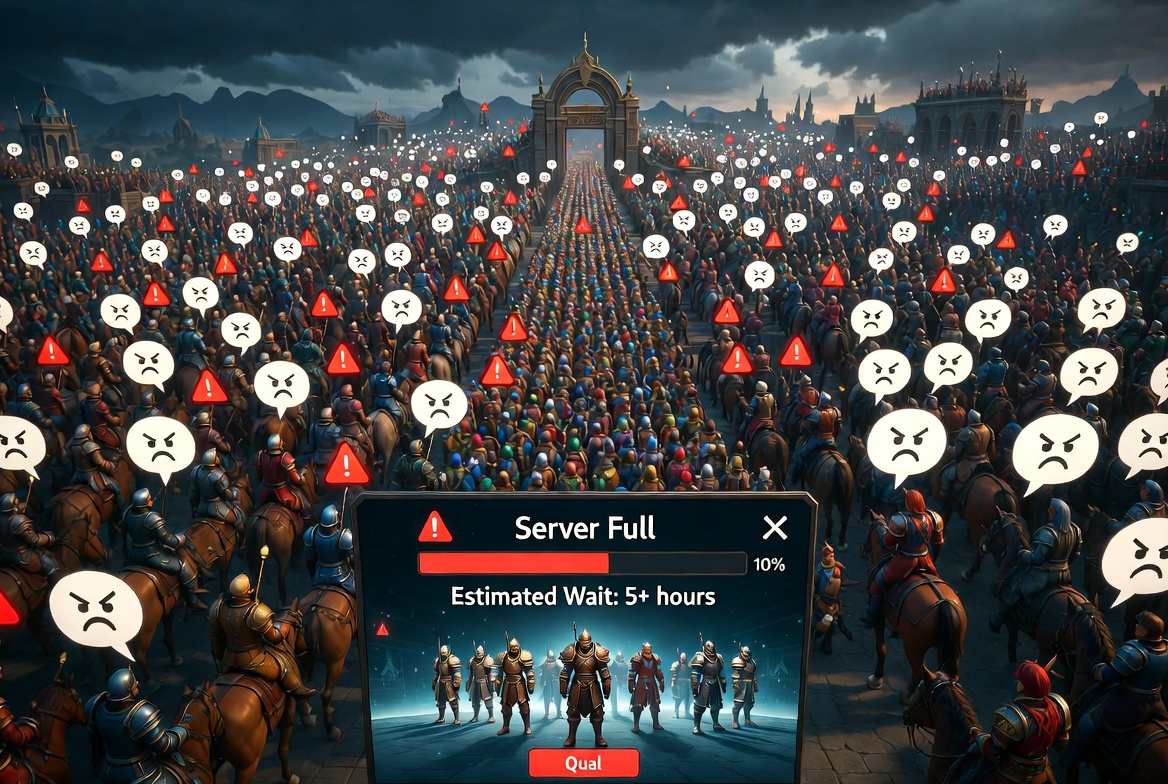
The head start effect is well documented informally across multiple releases. Creators who can prepare resources before launch often capture the majority of early search traffic and social sharing, establishing authority that persists long after launch week.
Even modest early advantages can translate into significant long-term visibility due to how discovery algorithms reinforce early engagement.
A Personal Reflection
Every release brings the same quiet calculation: focus on long-term trust or chase short-term visibility. For many creators, the answer remains rooted in why they started a genuine desire to help players navigate complex worlds.
The challenge is not access itself, but ensuring that integrity does not require accepting permanent disadvantage.
Conversations around these systems are growing, and that alone is a positive sign. Awareness is often the first step toward better norms.
A Call for Fairer Systems
Improving this landscape does not require eliminating NDAs. They serve important purposes protecting unfinished features, preventing misinformation, and allowing developers to iterate without external pressure.
However, clarity and consistency are essential.
Studios could consider clearer enforcement policies, transparent expectations, or alternative collaboration models that allow compliant creators to prepare responsibly without compromising fairness. Some developers have experimented with creator sandboxes, staggered disclosure windows, or official documentation support approaches that acknowledge both the need for confidentiality and the realities of modern content ecosystems.
Ultimately, the goal is alignment: developers, creators, and players all benefit when trust and transparency reinforce each other.
For creators committed to building carefully verified resources, the hope is simple that quality and integrity remain viable paths, not competitive disadvantages.


It’s really insightful to see how the article highlights the tough spot content creators are in with these NDAs; it’s a real balancing act between building a resource and sticking to the rules. I always notice how quickly guides and maps pop up on launch day, but I never realized how much work goes into creating them *beforehand* while being restricted by those agreements. That makes me think of trying to learn Hitman 2’s maps back in the day, trying to find the most efficient routes and sneaky spots while my friends were just running around—it felt like a whole different game!