
Rust Teases Drops on Kick: A New Era for Game Streaming Rewards
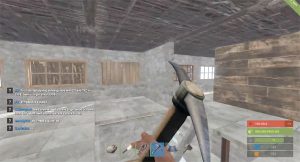
When Rust, one of the most-watched survival games on Twitch, tweeted “Drops on Kick. Coming real soon.”, the gaming community took notice. With Kick reportedly implementing its own Drops-style reward system, this move could signal the start of a serious challenge to Twitch’s long-held dominance in the live streaming space.
Introduction
The announcement of “Drops on Kick” suggests that the rival streaming platform is preparing to launch an integrated reward system for game developers, one that mirrors Twitch’s popular Drops program. For games like Rust, which have used Drops to engage massive player audiences, this represents a potential shift in where streamers and fans spend their time.
Kick’s rumored system will allow viewers to earn exclusive in-game rewards by watching participating streams, similar to how Twitch’s Drops campaigns function.
How Twitch’s Drops Program Works
Twitch’s Drops Program enables game developers to reward viewers who watch specific streams. Players link their Twitch and game accounts, then earn rewards, typically in-game skins or items, by meeting viewing milestones such as watching for a set number of hours.
According to the Twitch Developer Services Agreement, a Drop is defined as a “digital good that you offer to Twitch end users who achieve certain measurable metrics on Twitch (‘Milestones’).” Developers set up campaigns through Twitch’s platform to distribute these rewards automatically.
The Exclusivity Clause: Why Twitch Drops Can’t Be Shared Elsewhere
The key factor that makes Kick’s announcement so disruptive is Twitch’s exclusivity rule. Under Twitch’s Developer Agreement, Drops distributed through Twitch cannot be offered on any other streaming platform within a set timeframe.
Specifically, Twitch’s TOS states:
“If you distribute a Drop through the Drops Program, you shall not distribute such Drop (or any content materially similar) on any third-party streaming platform for 30 days before or after initial distribution of that Drop.” [Twitch Developer Agreement, Schedule 3]
Furthermore, developers are restricted from joining a “similar program” with another streaming platform for 90 days around that campaign period. This means that for Rust, or any game, to participate in Kick’s system, the rewards must be distinct or timed separately from Twitch Drops to stay compliant.
What “Drops on Kick” Likely Means
Rust’s announcement likely means that Facepunch Studios, the developer behind Rust, is working directly with Kick to run a unique reward campaign independent of Twitch. By creating a separate Drops ecosystem, Kick could open the door for other developers to do the same, providing a fresh avenue for community-driven engagement.
This development could be the first major test of Kick’s technical infrastructure for large-scale promotional integrations, signaling the platform’s next step toward maturity.
Kick’s Big Advantage: No Ads (for Now)
One major difference between Kick and Twitch is advertising. Kick currently operates with no traditional ads. Viewers can watch streams uninterrupted, without pre-rolls or mid-roll ad breaks. While Kick’s management has confirmed that ads may be introduced in the future, it’s not part of their immediate roadmap.
This ad-free experience gives Kick a natural edge for Drops campaigns: viewers are less likely to tune out, and streamers maintain higher average watch times. For campaigns that rely on watch-time milestones, this could be a decisive advantage.
What This Means for Developers and Streamers
- More Flexibility: Game studios can diversify where they host reward campaigns, no longer being locked into a single ecosystem.
- Competitive Pressure on Twitch: Twitch’s exclusivity clauses may start to feel restrictive, encouraging developers to experiment elsewhere.
- Viewer Retention: Without ad interruptions, Kick can offer a more engaging viewing experience during Drops events.
- New Opportunities for Streamers: Kick streamers could see surges in viewership during Drops events, attracting audiences who previously stayed on Twitch.
The Bigger Picture
Twitch has long held a monopoly on Drops campaigns for popular games. Titles like Rust, Valorant, and Apex Legends have driven millions of hours of engagement on Twitch through these promotions.
If Kick successfully launches a fully functional Drops system, it would mark the first real alternative, forcing Twitch to reconsider how it approaches exclusivity, partnerships, and developer collaboration.
The next few months could define whether Kick’s move is a one-time experiment or the start of a new competitive standard in game-linked rewards.
Conclusion
Rust’s teaser, “Drops on Kick. Coming real soon.,” might be short, but the implications are enormous. Kick’s entry into the Drops space could reshape how developers engage audiences, how streamers attract viewership, and how platforms compete for exclusive content.
In an ecosystem long defined by Twitch, Kick’s ad-free advantage and flexible approach could usher in a new era of viewer rewards and platform competition.