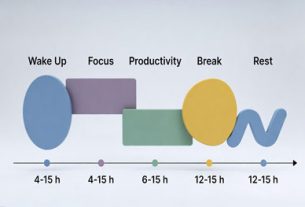
Exploring Phenibut’s role in looksmaxing communities: its mechanisms, perceived benefits for facial relaxation and vitality through anxiety reduction, and serious dependence warnings. Community views stress caution over routine use.
Definition and Overview
Phenibut is a synthetic GABA analog, chemically known as 4-amino-3-phenylbutanoic acid or β-phenyl-γ-aminobutyric acid. It is structurally related to the inhibitory neurotransmitter gamma-aminobutyric acid (GABA) and functions primarily as a GABA-B receptor agonist. In some countries it has been used medically for anxiety and sleep-related concerns, though it carries a well-documented risk of dependence and is not approved by the FDA for any use in the United States.
Phenibut was synthesized in the Soviet Union during the 1960s and introduced into clinical practice in Russia and several neighboring countries for the management of anxiety disorders, insomnia, and related conditions. It belongs to the gabapentinoid class of compounds due to its additional activity at voltage-dependent calcium channels. In online aesthetics and self-improvement communities, the term appears in discussions of stress management and sleep optimization, topics that users connect to perceived improvements in facial appearance, posture, and social presentation. Outside of regulated medical contexts, Phenibut is sometimes obtained through unregulated channels, prompting widespread cautionary dialogue across wellness forums regarding its pharmacological profile and long-term implications.
Key Characteristics
- GABA-B Receptor Agonism
- Calcium Channel Modulation
- Rapid Tolerance Development
- Dependence Potential
- Dopaminergic Influence
Relative Risk Factors (Community-Reported Scale)
Conceptual visualization based on common forum experiences: higher bars indicate greater reported intensity/frequency of issue.
Common Misconceptions
- Phenibut = Natural GABA Supplements
- Occasional Use = Low Risk
- Regulatory Approval Like Vitamins
Why This Term Is Connected to Looksmaxing
Within online communities focused on facial aesthetics, self-optimization, and “looksmaxing,” Phenibut occasionally surfaces in conversations about social confidence and restorative sleep. Participants note that reduced situational anxiety may help minimize habitual facial tension, such as jaw clenching or furrowed brows, while consistent deep sleep is viewed as supportive of skin recovery and overall vitality. These discussions frame the compound as one element in a broader toolkit for managing stress-related aesthetic concerns, though contributors universally stress the importance of moderation and awareness of dependence risks. The term therefore functions more as a reference point for risk-aware dialogue than as a routine recommendation.
Related Facial Structures and Influencing Factors
Phenibut itself does not alter bone structure or soft tissue directly. However, discussions link its reported anxiolytic properties to secondary effects on facial appearance through reduced chronic muscle tension. Key areas include the masseter and temporalis muscles (involved in jaw clenching), the corrugator supercilii (frown lines), and the orbicularis oculi (eye-area tension). Prolonged anxiety can also contribute to forward head posture, which indirectly influences the perceived definition of the jawline and neck. Improved sleep quality, when achieved naturally, is associated with reduced periorbital puffiness and more even skin tone, topics frequently explored alongside stress-management strategies in aesthetics literature.
Individual response to Phenibut is shaped by genetics, particularly variations in GABA receptor sensitivity and metabolism. Bone structure and baseline muscle tone determine how facial tension manifests visually, while fat distribution and skin elasticity affect how fatigue or poor sleep appears. Aging naturally heightens vulnerability to sleep disruption and anxiety rebound. Posture, daily stress levels, concurrent substance use, and overall health further modulate both the perceived benefits and the severity of any withdrawal effects. Because these variables differ widely, outcomes described in community forums are highly individualized and not generalizable.
Approaches People Sometimes Discuss
- Safer Alternatives in Forums
Tools and Products Sometimes Associated With This Topic
Disclosure: This article may contain affiliate links. As an Amazon Associate I earn from qualifying purchases. Product mentions are informational only and are not medical recommendations.
- Nutricost GABA (Gamma Aminobutyric Acid) 750mg, 240 Capsules
A popular GABA supplement discussed in relaxation and sleep-support contexts as a milder alternative to synthetic analogs.
View on Amazon - NOW Foods Supplements, GABA 750mg, 100 Veg Capsules
Vegetarian GABA formula frequently referenced alongside discussions of neurotransmitter support and calm states.
View on Amazon - Clean Nutraceuticals GABA 750mg Blend with 5-HTP, L-Theanine, Ashwagandha & More
Multi-ingredient mood-support formula sometimes explored in forums addressing stress and sleep quality.
View on Amazon - Anxie-T Plus – Extra Strength Stress Relief with Ashwagandha, Kava, GABA & L-Theanine
Blend targeting nervous system calm, occasionally mentioned in broader anxiety-management conversations.
View on Amazon - THORNE PharmaGABA-250 – 250 mg Natural Source GABA
Pharmaceutical-grade GABA product discussed for promoting a relaxed, focused state of mind.
View on Amazon
Safety and Professional Considerations
Phenibut is not approved by the FDA for any medical or dietary use and cannot legally be marketed as a dietary supplement in the United States. In certain states it is classified as a controlled substance. Dependence and withdrawal risks are well documented in medical literature, with symptoms potentially including severe rebound anxiety, insomnia, and in extreme cases hallucinations or psychosis. Any use requires evaluation by a qualified healthcare professional. Individual anatomy, health status, and concurrent medications vary widely; results cannot be guaranteed. This article is for informational purposes only and should not be interpreted as medical advice.
Summary
Phenibut is a GABA analog originally developed for clinical use in select countries to address anxiety and sleep concerns. While occasionally referenced in aesthetics communities for its reported effects on confidence and rest, its significant dependence potential and lack of FDA approval make it a topic approached with considerable caution. Related discussions more commonly focus on lifestyle factors, posture, sleep hygiene, and safer nutritional support options. Understanding the pharmacological profile and regulatory context remains essential for informed conversation.
Quick Poll: Your Take
Do you prefer natural sleep hygiene and supplements over substances like Phenibut for anxiety and looksmaxing? (Yes/No)