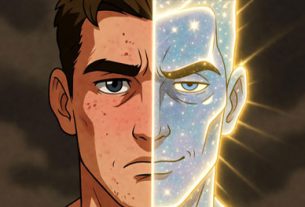
Hairline recession is the gradual backward movement of the frontal hairline that creates the classic M-shaped pattern seen in male pattern baldness. It is one of the earliest signs of androgenetic alopecia and plays a major role in facial aesthetics and perceived age.
Introduction
Hairline recession marks the beginning of a very common journey for many men as they notice their hairline slowly moving higher and further back. This process typically starts at the temples, forming a distinct M or widow’s peak shape while the central part of the hairline holds its ground longer. As the forehead appears larger, it can subtly change the overall balance and youthful framing of the face, making hairline management one of the most discussed topics in grooming and aesthetic maximization circles.
Overview
Hairline recession is a hallmark feature of androgenetic alopecia, also known as male-pattern hair loss, though it can occur to a lesser degree in women. The condition involves the gradual miniaturization of hair follicles in the frontal and temporal regions, leading to thinner, shorter hairs that eventually cease production. Medical classifications, such as the Norwood-Hamilton scale, stage this progression from minor temple thinning (Stage 2) to deeper M-shaped recession (Stage 3). Historically recognized in dermatology, it has become a focal point in modern aesthetic education due to its impact on perceived facial youthfulness and balance. While primarily genetic, awareness of hairline recession encourages proactive scalp monitoring as part of overall grooming routines.
Early Signs and Detection
Early hairline recession is often first noticed through subtle changes at the temples, including slight thinning, uneven edges, or a gradual shift in hairline shape. Increased forehead visibility, difficulty styling the front hair, and comparisons with older photographs are common ways individuals detect early progression. Because changes occur gradually, tracking over time is often necessary to confirm patterns.
Key Characteristics
- M-shaped pattern:
- Temple recession:
- Increased forehead height:
- Progressive thinning:
- Early onset potential:
Why This Term Is Connected to Aesthetic Maximization
In online communities and forums dedicated to facial aesthetics, grooming, and personal presentation, hairline recession is frequently discussed as a primary influencer of youthful facial framing. A defined, lower hairline is considered to provide structural balance to the face, enhancing proportions between the forehead, eyes, and jaw. Participants in these discussions often emphasize early observation of the hairline as part of broader aesthetic strategies, noting that maintaining or addressing recession can contribute to an overall refreshed appearance without altering other facial features.
Related Facial Structures
The frontal hairline borders the upper forehead and connects directly to the temporal regions on either side. Hair follicles in these areas are densely packed but particularly sensitive to hormonal influences. The underlying anatomy includes the frontal scalp’s sebaceous glands and blood supply, which support follicle health. Nearby structures, such as the supraorbital ridge and brow position, interact with hairline placement to create overall facial harmony. Changes in hairline position can visually emphasize forehead height and alter the perceived ratio of the upper to mid-face.
Factors That Can Influence This Feature
Genetics represent the predominant influence, with inherited sensitivity of hair follicles to dihydrotestosterone (DHT), a derivative of testosterone, leading to progressive miniaturization. Age naturally accelerates the process in susceptible individuals, often beginning after puberty. Hormonal fluctuations, including those related to androgens, can modulate progression. Additional factors sometimes referenced include overall health, nutritional status, stress levels, and lifestyle habits such as smoking or poor scalp hygiene, although these play secondary roles compared to genetic predisposition. Individual variation in follicle density and scalp thickness also contributes to the rate and pattern of recession.
Approaches People Sometimes Discuss
Discussions in aesthetic and grooming communities often reference non-invasive options such as consistent scalp care routines, including gentle cleansing and massage techniques. Some participants explore over-the-counter topical applications or specialized shampoos aimed at maintaining scalp environment. Others mention prescription medications evaluated under professional guidance or advanced options like hair transplantation procedures performed by qualified specialists. Microneedling devices and nutritional support are additional topics of conversation. All approaches are framed as personal explorations, with emphasis on individual results varying widely based on genetics and consistency.
Common Misconceptions
A widespread belief is that hairline recession results solely from external factors such as wearing hats, frequent styling, or poor hygiene; however, the primary driver is genetic and hormonal. Another misconception is that the condition exclusively affects older men, when early signs can appear in the late teens or early adulthood. Some assume hair loss follows only maternal genetics, yet both parental lines contribute. Finally, expectations of complete, permanent reversal without ongoing maintenance are unrealistic, as stabilization rather than full restoration is the more common outcome in most cases.
Tools and Products Sometimes Associated With This Topic
Disclosure: This article may contain affiliate links. As an Amazon Associate I earn from qualifying purchases. Product mentions are informational only and are not medical recommendations.
-
Rogaine 5% Minoxidil Foam
A topical foam formulation commonly discussed in hair care routines for supporting hair density in thinning areas.
View on Amazon -
Kirkland Minoxidil 5% Topical Solution
An extra-strength liquid minoxidil product frequently referenced alongside other topical options for scalp application.
View on Amazon -
Nizoral Anti-Dandruff Shampoo with 1% Ketoconazole
A shampoo associated with scalp health maintenance in grooming discussions due to its active ingredient.
View on Amazon -
Nature’s Bounty Biotin Supplement
A biotin-based vitamin commonly discussed for general support of hair, skin, and nail health in wellness routines.
View on Amazon
Safety and Professional Considerations
Cosmetic procedures and treatments for hair concerns require evaluation by qualified healthcare or dermatology professionals. Anatomy and response to any approach vary widely between individuals; results cannot be guaranteed. This article is for informational purposes only and should not be interpreted as medical advice.
Summary
Hairline recession is the characteristic M-shaped backward movement of the frontal hairline, serving as an early indicator of androgenetic alopecia driven primarily by genetics and DHT sensitivity. Understanding its key features, anatomical context, and influencing factors provides a foundation for informed discussions in aesthetic grooming. While various approaches are explored in communities, professional guidance ensures safety and realistic expectations for maintaining facial harmony and youthful proportions.