
Geo-Transparency in Live Streaming: Could Exposing Viewer Locations Help Fight Viewbotting or Make It Worse?
Over the past decade, every major digital platform from social networks to streaming services has grappled with an accelerating problem: bots. Whether it is fake engagement, automated accounts, or artificial inflation of metrics, the arms race between platforms and bad actors has only intensified.
Introduction
Recently, platform-level transparency has emerged as a potential tool for combating manipulation. For instance, when X (formerly Twitter) publicly exposed the region where accounts were created, it quickly highlighted many suspicious accounts as inauthentic.
This raises a key question: Could increased transparency reduce bot activity?
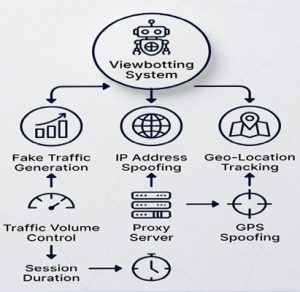
In live streaming, where real-time view counts drive success, viewbots inflate numbers, distort rankings, mislead advertisers, and spark accusations among streamers. As this issue escalates, solutions are urgently needed.
One intriguing idea: What if platforms publicly shared aggregated viewer location data, like country-level totals, in real-time?
Would this promote transparency, or create new risks and abuse opportunities? Let’s examine both sides.

Why Geo-Transparency Seems Promising
- Platforms Already Have This Data
- Red Flags Become Immediately Visible
- It is Not a GDPR Issue When Done Correctly
The Technical Impact: How Much Work Would This Actually Add?
Implementing a real-time geographic viewer panel appears complex, but the overhead is minimal. Platforms already track viewer IPs, associate them with regions, and store session data in real-time.
To make this public, they would simply need to aggregate counts by country, refresh them every 5-30 seconds, and include the data in the live page’s API payload.
While this uses some CPU, bandwidth, and computation, it’s negligible compared to video encoding, chat handling, and content distribution.
Ultimately, this is a product decision, not a technical barrier.
The Risks: Could Transparency Backfire?
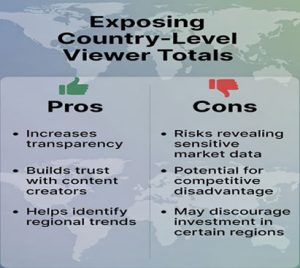
- Weaponized Accusations
- Harassment Targeted by Region
- Creators Might Lose Trust in Organic Global Growth
- Bots Could Simply Evolve
Potential Benefits
- Greater Community Trust in Live View Counts
- Harder, More Expensive Viewbotting Operations
- Instant Identification of Suspicious Traffic Patterns
- Less Opacity in Platform Analytics
Potential Downsides
- Drama, Harassment, and Misinformation
- Easily Manipulated Perception
- Incentivizing Malicious Actors to Exploit Transparency Itself
- Platforms Being Pressured to Act on Misinterpreted Data
The core tension: Transparency empowers users but also attackers.
Simulation of Twitch Geo-Transparency Viewer Panel
| Country | Viewers | Percentage |
|---|---|---|
| United States | 600 | 50.0% |
| United Kingdom | 200 | 16.7% |
| Germany | 150 | 12.5% |
| Brazil | 100 | 8.3% |
| Others | 150 | 12.5% |
Why Platforms Stay Silent: The Hidden Benefits of Non-Transparency
- Controlled Internal Detection Works Better Than Public Chaos
- Transparency Creates Support Overhead
- Bad Actors Could Reverse Engineer Detection Methods
- Messy Data Creates Perception Problems
Final Thoughts: Should Platforms Expose Country-Level Viewer Totals?
Transparency advocates say yes, but platform stability concerns complicate it.
Public geo-data could reveal manipulation, raise botting costs, and enable community scrutiny. However, it risks drama, harassment, and weaponization against creators.
Transparency is a tool—its value depends on design. Hybrid options like delayed data, platform-flagged anomalies, or aggregated ranges might balance benefits and risks.
Dumping raw real-time metrics publicly invites trouble, but thoughtful implementation could restore trust as viewbotting erodes streaming integrity.
Share Your Opinion
Quick Poll: Your Take
Do you think exposing viewer locations would help fight viewbotting?