How paid clipping delivers millions of views for first-gen creators but leaves them with zero real ownership over their audience.
A First-Gen Creator’s Midnight Breakthrough
He sat in the glow of three monitors at 2:47 a.m., the kind of hour that blurs the line between grind and delusion. He was the first in his family to bet the rent on pixels and persistence. Tonight, one clip hit 1.8 million views in twelve hours. Not because his regulars clipped it in the chat. Not because the algorithm simply loved him. Because someone had paid an army of strangers to make it happen.
Paid clipping is when creators or brands pay people to cut and distribute short clips of content across platforms, often tied to performance. You take the best moment from a long stream and turn it into fifteen seconds that can stop a thumb mid-scroll.

What Paid Clipping Actually Is
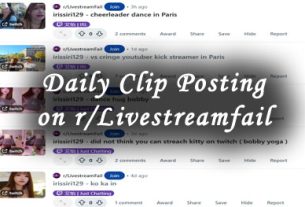
You take the best moment from a four-hour stream and compress it into fifteen seconds that can stop a thumb mid-scroll. Brands, platforms, creators themselves drop budgets into Discord servers and Whop marketplaces. Clippers, hundreds of them, pull the footage, edit it slick, slap on a logo or affiliate link, and flood TikTok, Reels, Shorts, X. The deal is simple: views decide who gets paid. One campaign can generate hundreds of millions of impressions for the price of a used Honda.
Why It Works So Well
It is not new. Brands have been paying for placement since neon signs blinked above arenas. The internet simply moved the billboard into your pocket. What is accelerating now is scale and precision. More money is pouring into clipping syndication than ever: fintech firms, crypto projects, gambling platforms, even legacy streamers treating it like traditional media buys. Clippers often get paid between one and three dollars per thousand views on these campaigns. The economics are seductive. One viral clip can onboard thousands of new users. One solid campaign can pay for itself in a week. If the ROI were not there, the checks would stop clearing.
For personalities the upside feels almost magical. Your persona escapes the niche. The face that only your core fans knew becomes the one strangers recognize in thumbnails. People start to know you before they ever hit your live. That mainstreaming can crack open doors: brand deals, sponsorships, the kind of leverage that lets a first-gen kid send real money home instead of excuses.
Why It Is Dangerous
Yet the cost sits heavy. I have watched too many versions of this movie. The TikTok phenom with 1.2 million followers who cannot convert a single one into steady YouTube subs or Discord loyalty. I have seen accounts hit 2 million views and convert under 500 real followers. The empire that collapses the moment the campaign budget dries up. Bought viewers are rented audiences, impressive on paper, vapor the second you need real interaction. Comments. Community. The kind of trust that survives a platform purge. We have seen the pattern before: the rented Lambos parked outside the villa party for the gram, the inflated concurrent numbers that fooled everyone including the creator, the fake PR stunts engineered for outrage clicks. Paid clipping is simply the cleaner, more professional cousin, same rented flex, better production values.
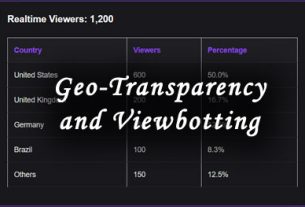
And then the machines arrive. View-bot accusations used to feel like paranoia. Now AI agents and automated farms make the skepticism feel quaint. You scroll and you genuinely cannot tell anymore. Was that 3 million-view clip pure lightning in a bottle or did five hundred freelancers and a bot network give it a push? The blur is the point. The attention economy rewards the illusion until the illusion stops paying rent.
What Separates Winners From Losers
It is both salvation and trap, which is why it feels so human. Some entities are spending millions precisely because it works in measured doses, driving traffic, seeding communities, accelerating discovery for those locked out of traditional paths. Others burn cash on rented crowds that evaporate at the first whiff of authenticity. The difference is not in the tactic. It is in what you build after the views fade.
The first-gen kid who treats paid clipping like a calculated sprint can model costs. That’s exactly why I built a simple calculator for it here: Paid Clipper Calculator, track real conversion, and convert momentum into owned channels. He walks away with something lasting. The one who mistakes the rental for ownership wakes up one morning to silence and a dashboard full of ghosts.
Paid clipping does not just rent attention. It trains creators to depend on renting it.
The Question Every Creator Must Answer
We have chronicled the pipeline before: the influencer-to-crypto-gambling funnel that turns clips into lifetime revenue shares, the villa-party chaos that escalates for virality, the view-bot reckonings that forced platforms to admit the numbers were never pure. Paid clipping sits at the center of all of it now, the sharpest tool in the box for anyone trying to break a cycle with nothing but a webcam and ambition. It can mainstream a face, a brand, an idea faster than anything that came before.
Back in that quiet apartment the kid closes the analytics tab. The numbers are still glowing but he feels the weight of the question every first-gen creator eventually faces: Did the clip buy you time or did it buy the illusion that time was all you needed? The answer will not come from the views. It never does. It comes from what you do when the campaign ends and the rented audience finally logs off. That is when the real work, the kind that outlives every algorithm, actually begins.
The views were real. The audience was not.