In today’s digital landscape, platforms like Twitch, Instagram, and X have changed how content creators connect with audiences.
A recent meet-and-greet incident in the streaming world brought attention to how blurred fan and creator boundaries can become.
That event and other reports of harassment at in-person gatherings highlight how complex parasocial relationships have become.
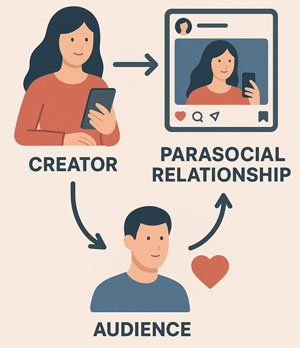
These one-way connections, often formed through selfies and non-nude content, can create strong communities and support.
 At the same time, they can carry serious risks. Drawing on psychological research and real-world incidents, this article looks at both sides in a balanced and neutral way.
The phrase parasocial relationships comes from work by psychologists Donald Horton and R. Richard Wohl in 1956. They used it to describe the one-sided emotional attachments audiences form with media personalities.
Today, social platforms amplify that idea through live streams, direct messages, and community posts. Selfies and non-nude photos that show daily life or personal style can create a sense of familiarity and closeness.
People can feel that these connections meet emotional needs like belonging or companionship, but the emotional investment is mainly on the audience side. A creator may respond, but that is not the same as the mutual give-and-take of a personal friendship.
These connections can be beneficial. For many people, following a creator offers companionship and can reduce feelings of isolation. During the COVID-19 era, many people turned to streaming communities for company and creative inspiration.
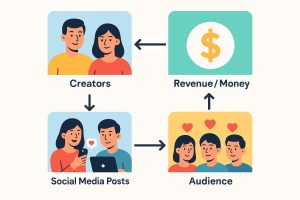
For creators, consistent sharing builds loyalty and leads to monetization through subscriptions, sponsorships, and brand partnerships. Research in communication and media studies shows that strong parasocial bonds can increase a creator’s influence and audience trust.
Interactive features such as Q-and-A sessions and community posts create a sense of shared space and can make these relationships feel more mutual even when they remain one-way.
Interactive Chart: Online Harassment Statistics
Based on survey data from the Pew Research Center, here is a snapshot of how widespread online harassment has become.
Simulated intimacy can sometimes create a sense of entitlement. Viewers may interpret a creator’s relatable posts as a personal invitation, which can lead to harassment or unwanted attention.
Creators can experience burnout from constantly sharing personal details. The pressure to increase engagement can undermine personal agency and invite scrutiny.
For some audience members, heavy reliance on these one-way connections can replace real-world relationships and raise the risk of isolation or anxiety.
These relationships can have real consequences. About 41% of U.S. adults report they have experienced online harassment in some form. Many of those who report harassment describe severe forms such as stalking or sustained threats.
A large portion of this harassment happens on social platforms where creators and audiences engage often. Design choices that reward intimate or sensational content can amplify risk and make it harder to keep healthy boundaries.
Parasocial connections power much of the creator economy, but creators, audiences, and platforms all have roles to play in keeping interactions healthy.
Creators benefit from clear boundaries, consistent community guidelines, and transparent ways of interacting. Audiences benefit when they recognize the one-way nature of the relationship and treat admiration as meaningful but not the same as a personal friendship.
Platforms can help by improving moderation tools and designing systems that prioritize safe connection over content that mimics personal intimacy.
Reader Poll
Quick Poll: Your Take
Do parasocial relationships with content creators benefit your mental health?